April 6, 2026
Dream belongs in the workflow, not another tab
Dream is my name for multimodal production inside an agent job. The useful part is carrying context through review, delivery and a passing build.
Dream is my name for the multimodal production layer inside an agent job. It can make an image, a voice track or a rough clip while the brief, source material and repository are still in context.
There are plenty of tools that generate media. I care about what happens after the file exists.
The image was the easy part
This post became a useful test case. Its old hero showed a person staring at a laptop with a dashboard full of almost-text. It looked plausible for half a second, which is about five seconds too little for a portfolio.
I asked the agent to read the article, compare it with the visual language across the blog and make a replacement without screens or fake interfaces. The same job then cropped the image to 1200×675, saved it in the repository, updated the frontmatter and alt text, and ran the site checks.
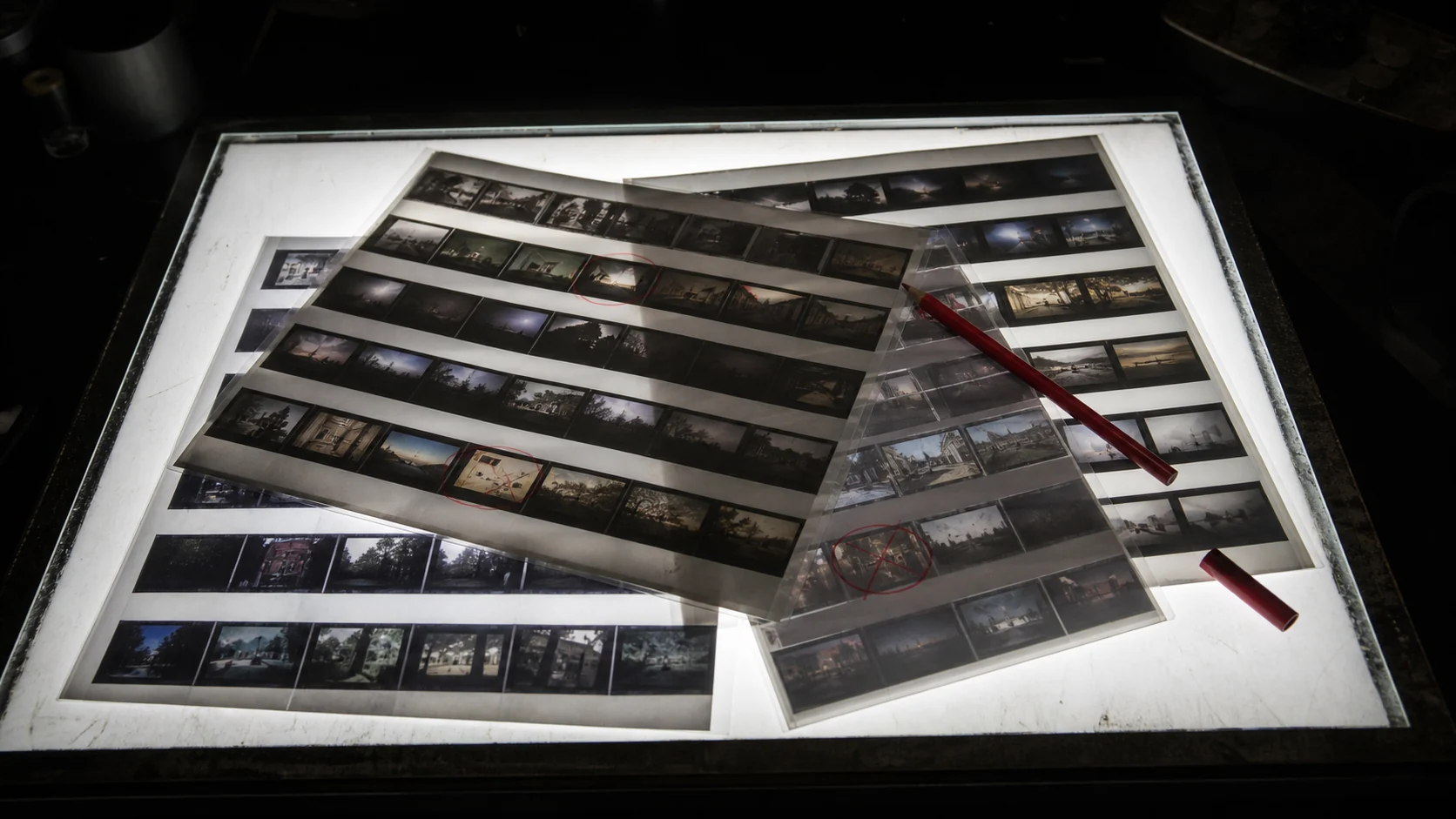
The picture you see above came out of that loop. I still made the call on whether it belonged here.
Had the process stopped at image generation, I would have been left with the usual housekeeping: download, rename, resize, place, describe and test. Generation saved a few minutes. Finishing the job removed the handoff.
That is a mundane example. Good. Launch demos tend to skip filenames, aspect ratios and broken builds, while production work is mostly made of exactly those things.
Context has to survive the asset
Moving a prompt between five tabs is not continuity. It is Chinese whispers with prettier gradients.
The useful context includes the original brief, the visual rules of the site, why the previous image failed, where the replacement belongs and what must pass before it ships. Losing any one of those facts creates work for the person who receives the file.
An agent can keep that thread intact. The image is then one artifact inside a job rather than a disconnected result waiting in a downloads folder called final-final-2.
Review belongs inside the loop
Faster production makes the review boundary more important. A system that can create and route an asset can also route the wrong asset with impressive efficiency.
My preferred split is boring: the agent prepares, places and checks the work. I decide whether it ships. Rejection should preserve the reason, otherwise the next attempt repeats the same polished mistake.
The red pencil in the new hero is not decoration. It is the feature.
Small teams pay for every handoff
Big teams can hide coordination cost inside job titles. A small studio feels every export.
If a launch needs copy, images, a short clip and a narrated version, four generators do not make a workflow. Someone still has to carry intent between them and catch the details each one drops. Keeping those outputs inside one reviewable job changes the economics because attention stays on judgement instead of file handling.
The first draft can be rough. It just needs to arrive with its context attached and an obvious way to reject it.
Dream earns its place when it leaves behind a usable artifact, a visible decision and a passing build. Otherwise it is a screensaver with a seed value.