June 28, 2026
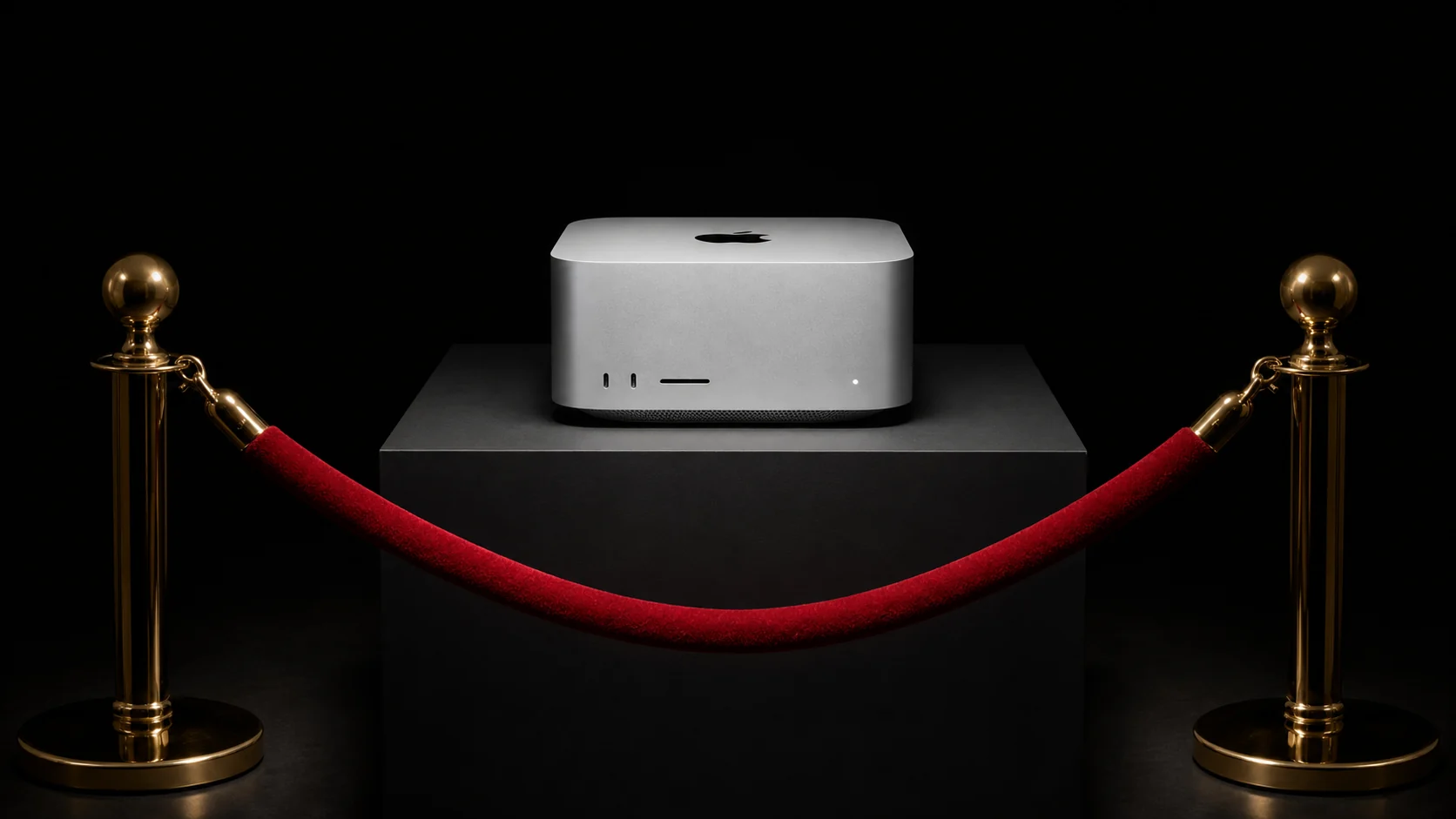
The frontier went behind a velvet rope. Mine runs on a Mac Studio.
GPT-5.6 opened with a limited partner preview and Fable 5 disappeared after its first release. Meanwhile GLM-5.2 handles much of my daily work on the Mac Studio in the other room.

This week two highly anticipated models became difficult or impossible for most people to use.
OpenAI announced GPT-5.6 with a limited preview for trusted partners whose participation was shared with the US government, while promising broader access in the following weeks. Fable 5 was pulled within days of the first hands-on. You could read benchmarks and watch early users post screenshots, but you could not simply open either model and decide for yourself.
The loudest reactions either dismissed the change or treated it as the start of a permanent lockout. I read a measured case for going local and a more alarmed version back to back. Then I looked at what was already on my desk.
The week the frontier got rationed
Strip the fear out and the facts are still striking.
Two labs chose tight initial access for models people wanted to test. The reasons and timelines differ, but the shape is similar: early seats go to a short list of partners. The frontier used to arrive with a price. This time it arrived with a guest list.
I am not surprised, because I wrote about this in April. Anthropic built its most capable model yet, decided the world was not ready and handed it to a dozen institutions through gated channels instead of the API. I said then that the precedent mattered more than the model: one company building the frontier and getting to decide who uses it. That was one lab. Now it is two, plus a government, in the same quarter.
The doomer read is that this is the start of a permanent lockout, that hardware is about to become unobtainable and you should mortgage the house for a rack of Mac Studios while you still can. I do not buy the apocalypse. But I will not pretend the guest list is nothing. When you have to be chosen to test a leading tool in your field, access itself becomes part of the product story.

On my desk is not the same as gone
While the internet argued about access nobody could get, I opened the Mac Studio in the other room and ran GLM-5.2. It is a roughly 250GB model. It loads into the unified memory and just sits there, mine, no meter running, no rate limit, no terms of service deciding what it will answer. And on most of what I do in a day it lands close enough to Opus 4.8 that I have to stop and check which one I am talking to.
Not equal. Close enough for much of my day. Frontier models still win on the hardest multi-file refactors, obscure race conditions and long agent runs. But GLM-5.2 now handles a large share of my code, drafts, summaries and everyday back-and-forth without making me reach for the rented model.
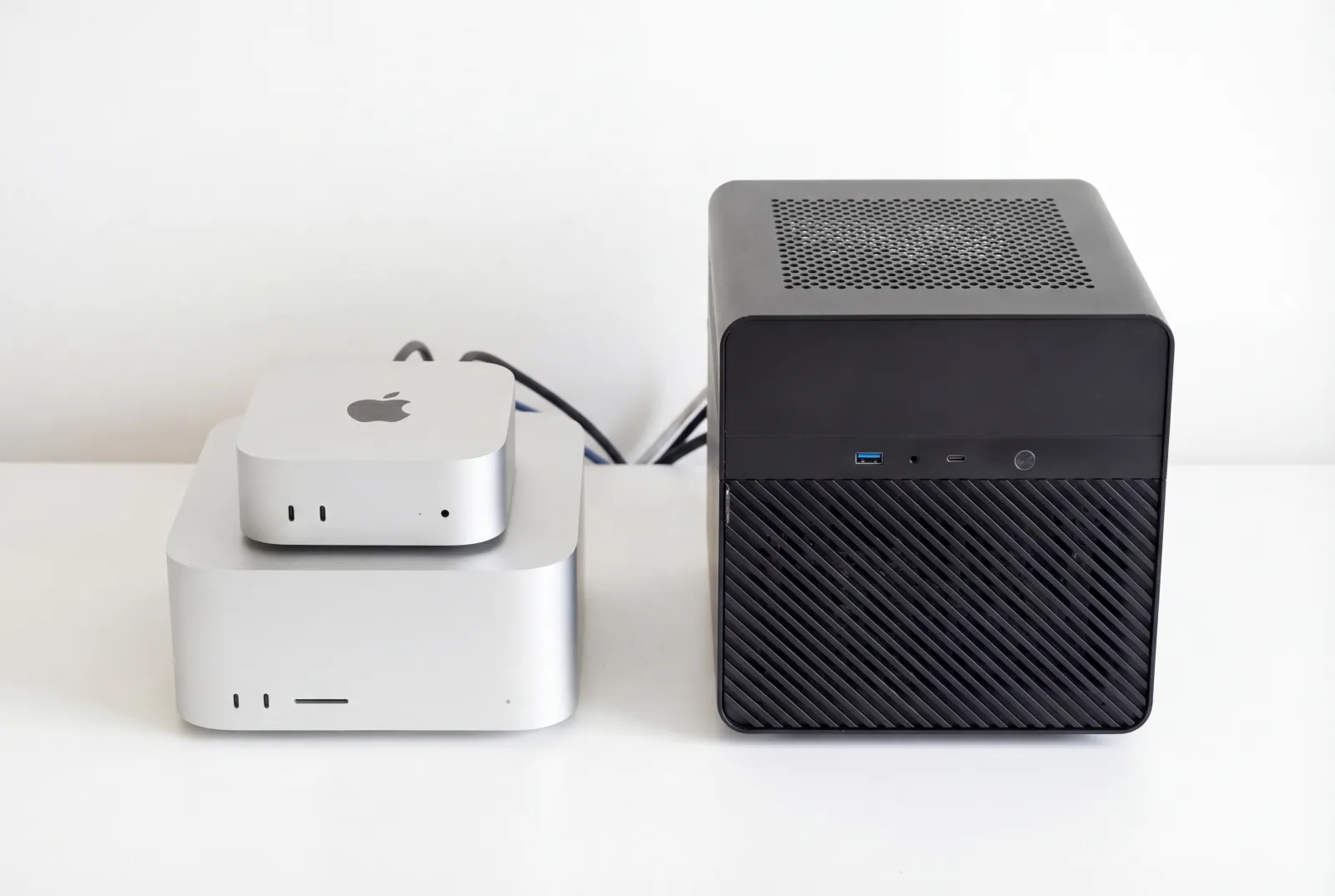
That changes my response to the panic. Back in April I wrote about local models as a second opinion, there to catch what the expensive one missed. Two months later the local model carries much of the daily load, while I keep a rented frontier model for work where the difference matters.
This is the same bet Apple made at WWDC, just from the other end. I wrote about that too: Apple deciding the computer you already own is strong enough to do the thinking, and reaching for the cloud only when it has to. On-device first, overflow second. Running GLM-5.2 on my own silicon is that architecture with the training wheels off.
What local actually costs
Now the honest part the prepper videos skip.
Local is not free sovereignty. It is a set of tradeoffs you have to actually want. A big model on a Mac is smart but slow, because Apple silicon gives you huge unified memory and modest bandwidth, so you can load a 250GB model and then wait on it. Stack GPUs and you find out you are only as fast as the link between them, and the link is usually the bottleneck. The bigger the model you want, the faster the cost and the complexity climb. People watch a video, buy forty thousand dollars of hardware on a fear bet about 2027 and end up with a loud, half-used cluster in the closet.
You do not need any of that to start. The honest entry point is the machine you already own. Most people reading this have enough hardware in their bag right now to load a small model, run a real prompt and learn where the floor and the ceiling are. Start there. Buy the rack later, if ever, once you know what you actually run.
Local still falls behind at the top end. If your work depends on the hardest agentic coding runs every day, no Mac Studio replaces a frontier seat yet. For me it is a workhorse and a useful hedge.
The fear is the trap
The panicked version gets one thing exactly backwards.
The story it tells is that you are about to be locked out, so you should spend your energy hoarding hardware against a future that may never arrive. But the energy is the scarce thing, not the GPUs. Every hour spent doom-buying compute for 2027 is an hour not spent building something with the absurd amount of intelligence already in reach today, frontier or local.
For the price of a couple of streaming subscriptions you can rent a frontier model, and hardware many developers already own can run a useful local one. Buying a rack before you know your workload is backwards. Point what you have at a problem first.
My read
The velvet rope is real. The panic is optional.
I run GLM-5.2 locally for routine work and keep a frontier seat for the difficult cases. The labs’ gates barely touched my week because my output depends more on the workflow than on permanent access to one model.
Load a local model this weekend. The point is not to prepare for a GPU ban or pretend GLM-5.2 replaces Opus 4.8. Run one because the gap between renting a useful tool and owning it has narrowed enough to measure on your own work.
The most useful model is the one you can actually use. More and more, that one is already on your desk.