June 12, 2026
ChatGPT is on your phone. Apple just put AI in it.
Almost every phone already has a frontier model on it, running in someone else's data center. WWDC was Apple betting on the opposite architecture: computation that starts in the computer you bought and reaches for GPU server halls only when it has to.
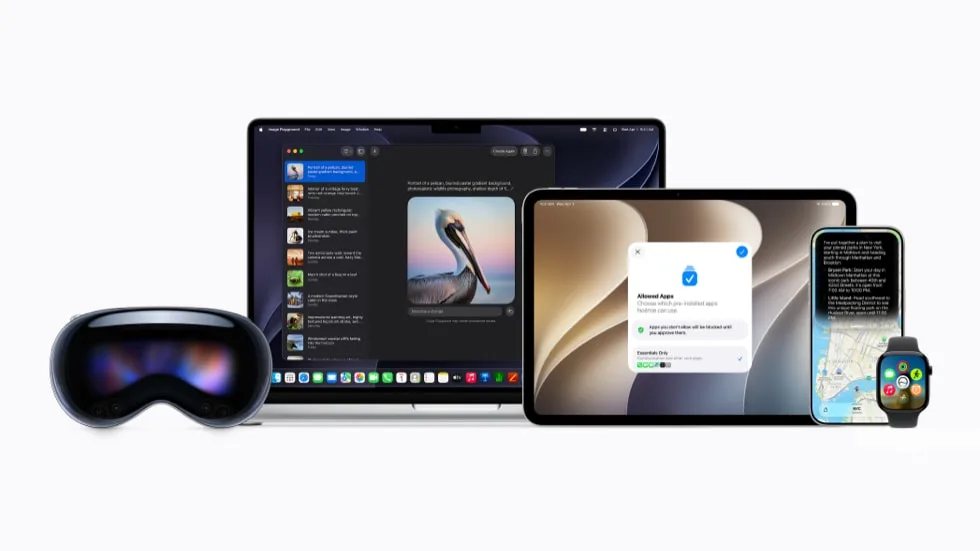
Almost every phone on earth already has AI on it. The ChatGPT app. The Gemini app. A billion people carry a frontier model in their pocket.
Except they don’t. They carry a window.
Every question travels to someone else’s data center, runs on someone else’s GPUs and lands in someone else’s logs. The phone is just the glass you watch it through. OpenAI owns the model, the compute, the context and increasingly the memory of who you are.
That is the architecture Apple just bet against.
The coverage of WWDC picked its favorite headlines. Siri finally got smart. Apple swallowed its pride and called Google. Tim Cook said goodbye. All true and all secondary.
Apple committed to a clear order of operations: let the computer you bought do the work first. When it cannot, reach for Private Cloud Compute or a larger model in the cloud.
No press release says it that way. You have to read the architecture, not the feature list.
I watched the keynote the way I watch every WWDC these days: not as a fan waiting for new hardware, but as someone trying to figure out where the products I design and build are supposed to live next year. This one gave a clearer answer than any keynote in a long time.
The bet only Apple could make
This did not start at WWDC. Apple has spent years shipping neural engines and unified memory into every iPhone and Mac, long before most people could say what a phone needed them for. The result is hundreds of millions of devices that are, in practice, small AI computers. Already paid for. No tokens. No meter running.
Few companies can make this bet across the whole stack. OpenAI has no devices. Google ships strong on-device models, but Android hardware spans many vendors. Microsoft does not own the silicon in most AI PCs. Apple controls the chip, device, operating system and first-party apps.

So at WWDC Apple said the order of operations out loud. On-device first. Private Cloud Compute when the request is too heavy. And for the hardest workloads the new part: Apple Foundation Models built in collaboration with Google and its Gemini models, with the heaviest one running on Nvidia GPUs in Google Cloud.
The order is the strategy. On Apple’s platforms, the cloud becomes overflow rather than the default starting point.
On your phone is not in your phone
This is the distinction the chatbot era blurred.
With a cloud chatbot, privacy depends on policy, settings and retention promises. On-device processing removes that transfer for the work the device can handle. Private Cloud Compute still asks us to trust an architecture and its implementation, but Apple has made the system available for outside security research rather than asking for blind faith.
Craig Federighi said it from the stage: “we believe privacy in AI is non-negotiable.” When a request spills over to Private Cloud Compute, Apple’s claim is that personal data is never stored or made accessible to anyone and that outside experts can verify the system. That claim holds up the whole strategy.
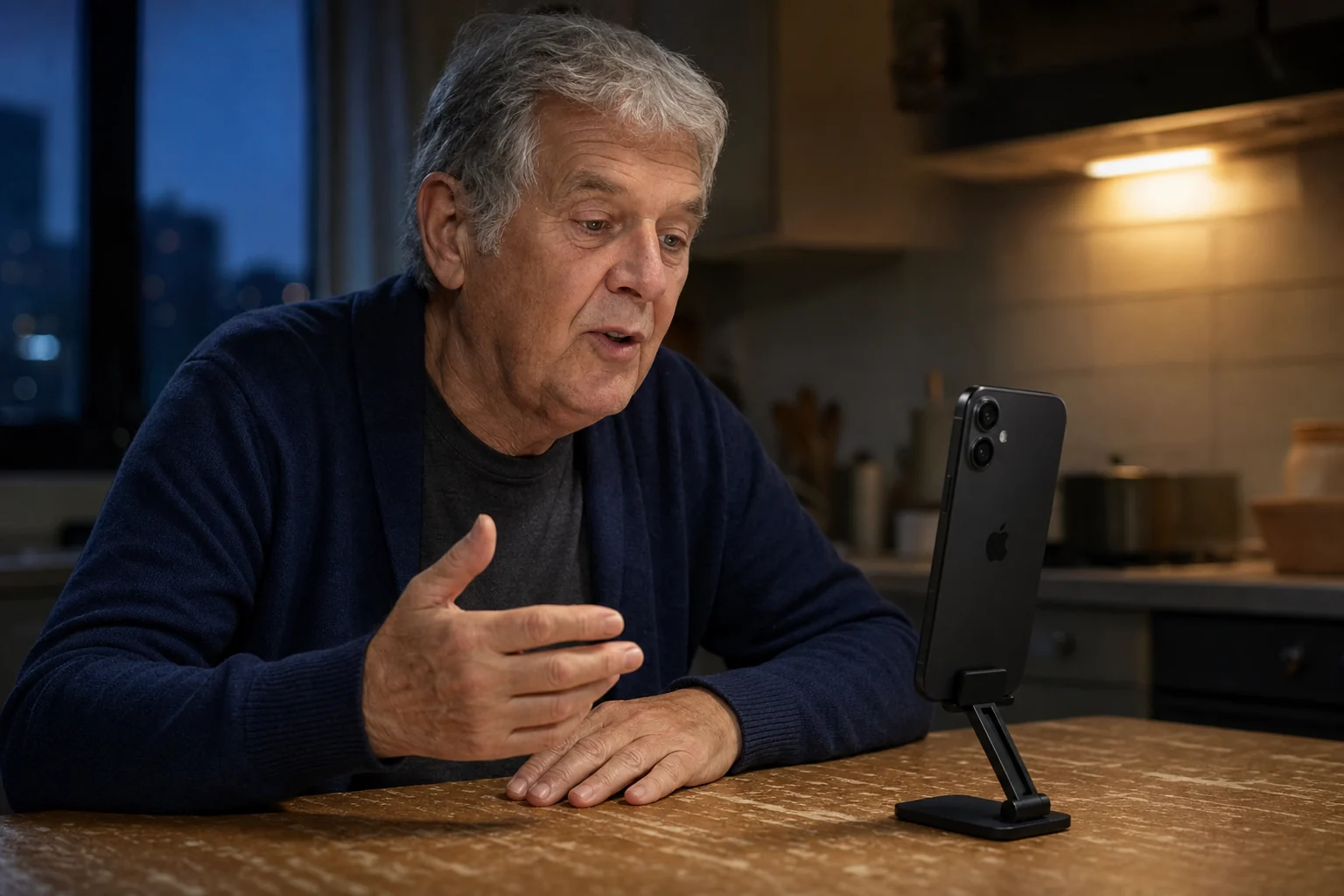
The people in my life who don’t follow AI do not think about tokens or context windows or where inference runs. They want the computer to do the right thing and not leak their life in the process. Apple’s tagline for all of this is “Truly helpful. Truly yours.” Corny, but aimed at exactly those people.
People make different trust decisions about OpenAI, Google and Apple. Apple has spent years positioning the iPhone as the place where personal data stays private, and it is now spending that reputation on AI.
Siri is the face, not the story
Yes, Siri AI finally arrived. It holds sustained conversations, pulls context from your messages, mail and photos, takes action across apps and gets a dedicated app with history that syncs across devices. The rest of the OS got intelligence woven in: Shortcuts you describe in plain language, Safari that manages your tabs, one-tap password fixes. Developers got App Intents as the way Siri operates their apps, Foundation Models as a native Swift framework and Core AI for running local models on Apple silicon. Betas now, everything ships in the fall.
Normal people will judge all of this through Siri, and Siri has felt dumb for a decade. But judging WWDC by Siri is judging the building by its doorbell. The story is that every part of the system, from the silicon to the apps, is being arranged so the computer itself can see your context, get permission and act.
I build products for a living, so App Intents is where I sat up. If the OS does the thinking, apps have to become legible to it: clean data, clean actions, clean permissions. That is an interface nobody ever sees, and getting it right is design work even though it never touches Figma.
What it actually means
If the bet lands, AI stops being a subscription you visit and becomes a property of the computer, like the camera. Nobody asks in which cloud their photos get processed. In a few years nobody will ask where their assistant thinks. It will just be something the machine does, and for Apple’s billion users the honest answer will usually be: right here, in your hand.
The economics also shift. Cloud model companies meter inference. Apple can bundle a large part of it into hardware and operating systems, then use capability as another reason to upgrade the device.
The cloud still handles frontier work, but it is no longer the automatic destination. Some models underneath are Google’s. Some overflow compute is not Apple’s. Apple is betting that suppliers can change while its relationship with device owners remains. You can source a model. A billion active devices are harder to source.
My read
Apple did not try to win the model race at WWDC, and it did not need to. The cloud keeps the frontier work. The computer gets your life.
The most private data center is the one already in your pocket.
Watch the surfaces, not the leaderboards.