September 23, 2026
Opus 5.5, not a day too soon
Opus 5.0 made simple work complicated. After a day with Opus 5.5 I am impressed. GPT-6 Astra still wins some jobs, but the jump from 5.0 is big.

Opus 5.0 was useless for me. It was stupid, and it complicated things that had simple solutions. So I switched to Fable 5.1, which was magic.
That is my experience, not a benchmark. It is also why Opus 5.5 felt overdue when it arrived yesterday. I have run it since release, and so far I am impressed. GPT-6 Astra is still better at some things. Overall, the difference from 5.0 is big.
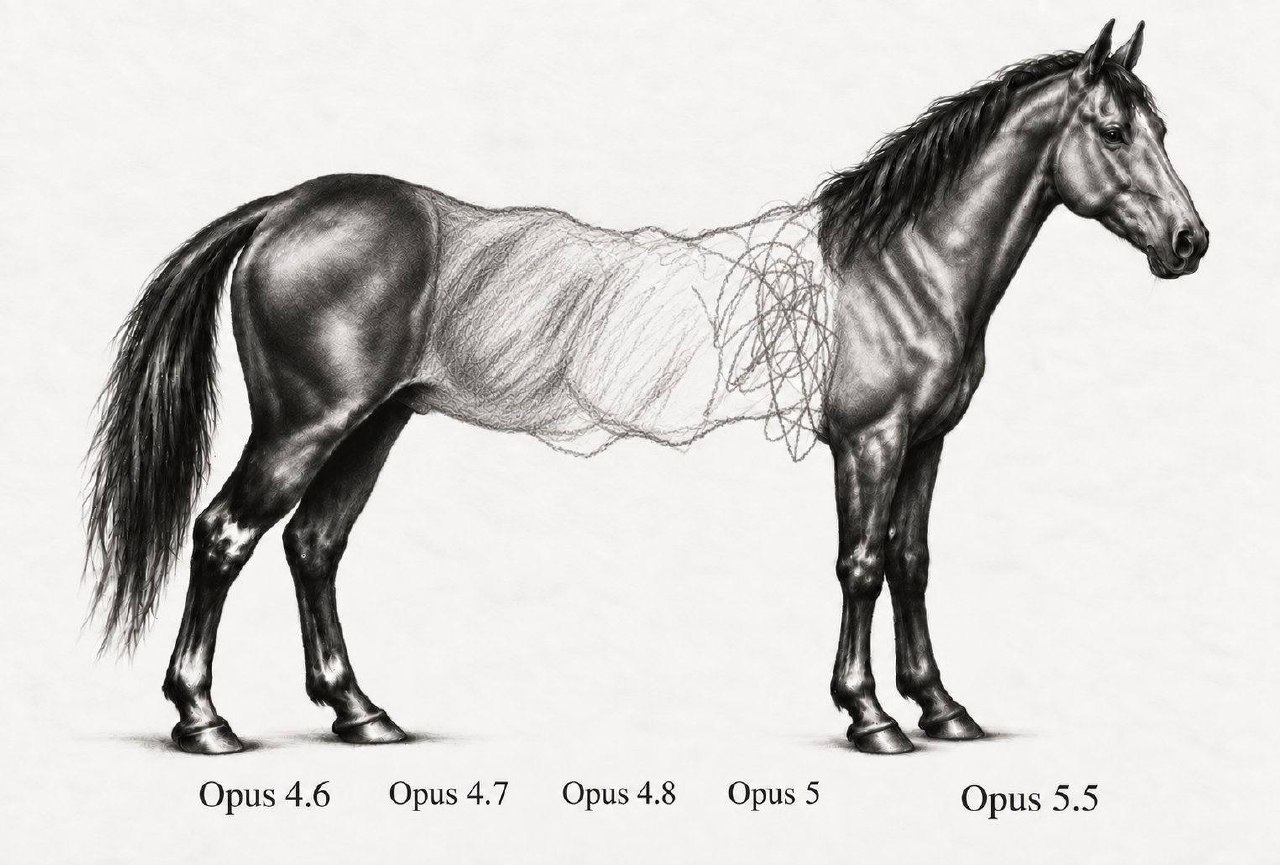
The complaint is unnecessary work
A model can make a simple request expensive without spending many tokens. If the result needs untangling, someone still does that work.
What I want from a model is simple. If the existing code already solves the problem, use it. If I ask for a small change, keep it small. A constraint in the request should survive to the result.
Anthropic’s announcement says 5.5 communicates more clearly, puts important information first and follows writing rules better. It also reports fewer actions outside the boundaries a model is given. Vendor claims, but they target the right problems.
Show me that it works
For a coding task I want a working change and evidence that it was checked: the command that passed, its output and what is still unverified. A confident description of what should work gives me nothing to review.
Then I check the diff against the request. A change can pass its tests and still solve a bigger problem than the one I asked about.
Before you swap the model ID
The API price is $4 per million input tokens and $20 per million output. It says nothing about how much correction a finished job needs.
The migration guide lists changes to check before you swap the ID in an agent setup. Thinking can no longer be disabled. Forced tool use is no longer supported. Text between tool calls moves into thinking blocks and comes back empty at the default display setting. An interface that shows those progress messages can go quiet without a single request failing.
My read
Opus 5.5 is a big step up from 5.0, and after one day I am impressed. It does not beat GPT-6 Astra at everything. But I no longer see why I would need Fable. The test now is whether Opus keeps finishing bounded jobs with the constraints intact and the result verified. Maybe Opus is back.