August 12, 2026
Grok Bot has a computer. The product is that you never operate it.
Making the machinery disappear is the interesting part. The trust boundary should not disappear with it.

I run more than twelve agents through Paperclip and OpenClaw on machines I control.
They have names, roles, queues, tools and approval boundaries. They can research, write, inspect, test and execute. From the outside it can look like a small company operating by itself. Up close it is configuration, and more machinery than a personal agent should require from most people.
Matt Palmer’s first note on Grok Bot landed because he starts with a trap I know well: building the custom system until the system becomes the work. His description of the product is simple: an agent with its own computer, signed into the tools, available like a colleague.
I have not used the beta yet. One early hands-on and a launch page are not reliability evidence. The direction still interests me more than another model release.
I built the custom thing
My current setup runs more than twelve agents across the venture studio and StarDust.
Paperclip gives me the board. OpenClaw gives the agents tools. Machines I control give me predictable access and clear failure boundaries.
The stack works because I have spent time deciding:
- which agent owns the task
- which tools it can touch
- what evidence counts as done
- what requires approval
- when the run should stop
That is the operating model. The model sits inside it.
Most people do not want an operating model. They want the invoice processed, the follow-up drafted, the bug reproduced or the research returned before lunch. Once the orchestration is visible, they have to run it themselves.
Grok Bot is making the opposite product decision: hide the machinery.
The computer is where the work lands
Computer use is not new. Agents can already browse, click, type, run code and work through apps. I can connect a model to a browser, shell, repo and inbox today.
The hard part is keeping that useful after the demo.
xAI says Grok Bot works on a cloud computer, signs into tools and websites, remembers conversations, learns routines, continues while the user is away and passes work between bots. You message it from a desktop or phone instead of opening an automation builder.
The product is persistence, identity, memory, routing and recovery wrapped in a surface that does not ask the user to think about any of them. That is why “an agent with a computer” can feel different from another agent with a browser tool. The computer is where the work lands, and you never operate it.
Someone still runs the operating model
Most agent demos end at 90 percent.
The answer is drafted. The table is generated. The code is written. The user still has to move it into the real system, resolve the edge case and verify that nothing broke.
Grok Bot makes the 90-to-100-percent gap the central promise. The launch examples are not “write a follow-up.” They are update the CRM, file the ticket, process the invoice, check the environment and return when judgement is needed. That is the right target.
I have found the same thing in my own stack. An agent earns its value when the artifact lands where the next person or system can use it. A pull request with tests is work. A paragraph saying the code should work is commentary.
Magic is an operating model the product has absorbed. Someone still decides how credentials are stored, how memory persists, how sessions recover, when bots coordinate, what happens after a partial failure and where approval is required.
The user simply stops seeing those decisions. That is good product design until the invisible decision is the one that mattered.
The trust boundary moved
A personal agent becomes materially different when it has three things at once:
- a persistent computer
- credentials to the user’s tools
- permission to act without the user watching
Each is useful. Together they create a new trust boundary.
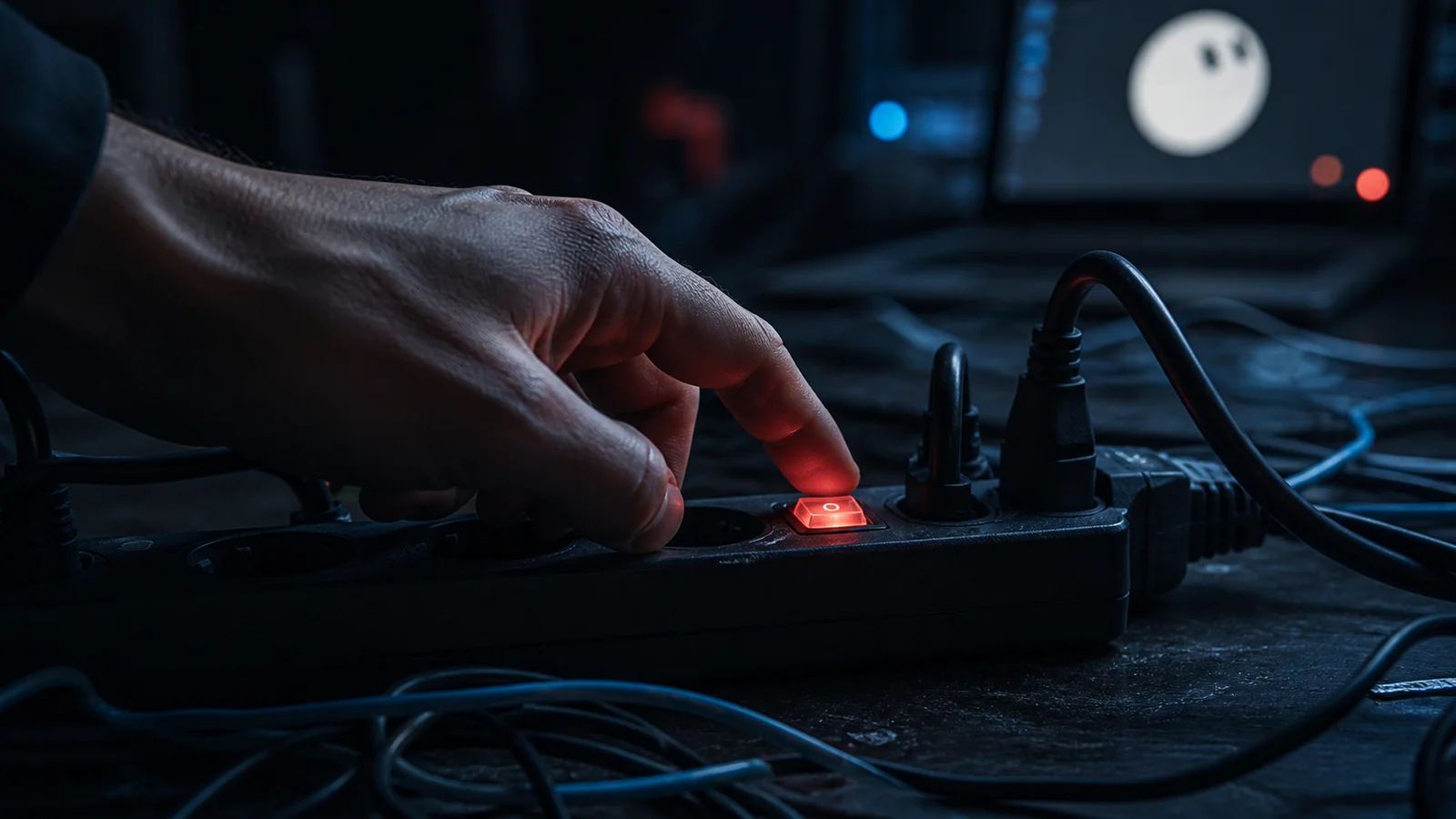
The launch language focuses on growing trust over time. The consumer terms are more concrete. xAI defines agentic actions to include web browsing, code execution, sending communications, modifying files and interacting with third-party services, including financial institutions. The user remains responsible for the consequences, costs and liabilities, while the product is still in beta.
That paragraph is the product-design problem, written by the vendor.
If a bot can send the email, modify the file and process the invoice, trust cannot be a feeling produced by five successful runs. It needs a visible system:
- scope permissions to the job
- require approval for public or irreversible actions
- keep history inspectable after the fact
- attach evidence to every completion
- make revocation and recovery possible
- state failure in terms a user understands
The easier the agent is to use, the more important those surfaces become. Convenience expands the blast radius faster than it expands the user’s understanding.
What I would test before calling it mine
Grok Bot launched as an early beta for SuperGrok Heavy, Cursor Ultra and Cursor Teams Premium subscribers on desktop and iOS. That is enough to treat it as a product direction, and too early to treat it as a proven operating model.
I would not start by asking it to manage the company.
I would choose one repetitive, bounded process where a human currently spends too much time moving information between systems. Then I would look for five things.
1. Completion in the actual tool
Does the task end where the work belongs?
A draft in a chat window is not the same as a draft in the CRM. A proposed ticket is not a filed ticket with the right reproduction steps. “Done” should point to the artifact, not the bot’s confidence.
2. Evidence before trust
I want to inspect what happened without replaying the entire session.
For code, that means the diff, tests and build output. For operations, it means the changed record, the source used and the action taken. For communication, it means the exact draft or sent message. A useful agent returns proof with the result.
3. Minimum access
Can the bot do the job without inheriting every credential on the computer?
A content bot does not need shell access. A research bot does not need permission to send email. A finance workflow should not quietly make the same account available to a debugging bot because both happen to share a machine.
The role only matters if the permission boundary comes with it.
4. A human gate where it matters
Reversible internal work should move fast. Anything public, expensive or hard to undo should wait for me. The best approval system knows which step changes the risk and stops only there.
5. A clean exit
Revoking access, clearing memory and removing a routine should leave me knowing exactly what remains.
Personal agents become infrastructure quickly. Credentials, learned workflows and historical context are part of the switching cost even when the chat interface looks simple. Leaving should be as documented as arriving.
Then I would measure the only outcome that matters: did it reduce weekly work after setup, or replace that work with a new review queue?
A homelab should give time back. A personal agent should do the same. Otherwise, you bought another job.
My read
I have spent months building exactly the machinery Grok Bot wants to make disappear, so I want it to work.
A product that gives an agent a durable computer and makes it feel like a colleague turns computer use from a feature into an operating surface. It also moves more identity, memory and authority into one vendor-managed system.
The early beta does not prove the balance yet. xAI’s examples and testimonials are vendor evidence. Matt’s post is one early user signal. Reliability, permissions and recovery will decide whether the magic survives contact with real work.
The personal agent should not require its owner to become an orchestration engineer. It should also keep authority visible.
The first useful question is not whether the bot has a computer.
It is whether I can still see what that computer is allowed to do.